
Services
Tooth extraction under general anaesthesia
For complex extractions, wisdom teeth, significant dental anxiety, or larger-scope procedures.
from 60 000 ₸ Per tooth; anaesthesia and anaesthesiologist support are included
- MD surgeons
- 3D planning
- International standard
WHAT PATIENTS COME WITH
Common concerns
IN DETAIL
About the procedure in detail
What general anaesthesia does and what it does not
What general anaesthesia does and what it does not
Extraction under general anaesthesia is the same surgical extraction, but the patient does not take part in it consciously. The sleep and the condition of the body are the responsibility not of the surgeon but of a separate doctor - the anaesthesiologist, who stays nearby throughout the procedure.
General anaesthesia does not make the extraction easier for the surgeon and does not remove the recovery. It removes something else: the need to endure, to sit with the mouth open and to live through every stage. That is why it is not prescribed to everyone, but when the scope of work is large or the patient cannot go through the procedure while conscious.
When teeth are extracted under general anaesthesia
When teeth are extracted under general anaesthesia
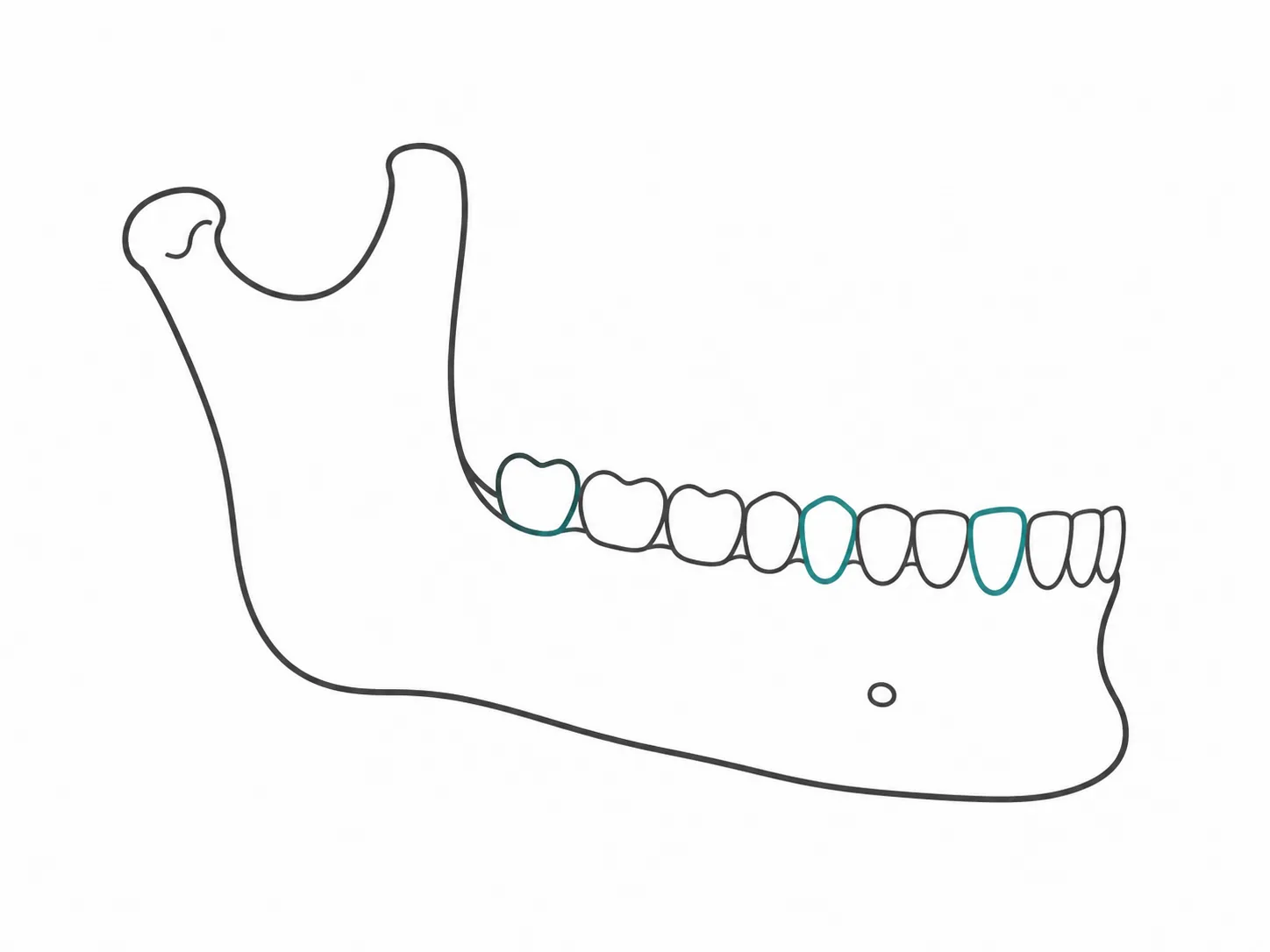
- A complex wisdom tooth. The tooth has not come out of the bone, lies horizontally or rests against the neighbouring tooth. Such an extraction requires an incision and work on the bone and takes noticeably longer than a routine one. Imaging is needed before the procedure.
- Several teeth in one visit. One anaesthetic instead of several appointments with injections, and one healing period. The scope is determined by the surgeon at the consultation.
- When treatment while conscious is not possible. Pronounced fear of the dentist, a gag reflex, a weak effect of local anaesthesia. The indications are confirmed by the anaesthesiologist.
How the preparation for anaesthesia goes
How the preparation for anaesthesia goes
All procedures are planned ones. A preoperative examination is mandatory before anaesthesia: laboratory tests and other investigations as prescribed by the doctor. The list is determined by the treating doctor together with the anaesthesiologist.
The anaesthesiologist goes through chronic illnesses, allergies, the medication being taken and previous experience of anaesthesia, and chooses the type of anaesthesia. Chronic conditions are a reason to examine more thoroughly, not to refuse automatically: the decision is made on the tests and the current condition, not on the diagnosis in the records. The doctor says in advance when to stop eating and drinking.
How the procedure and waking up go
How the procedure and waking up go
The extraction takes place in the clinic's own operating room. The surgeon works, and the anaesthesiologist monitors the patient's condition and the depth of sleep the whole time.
After the anaesthetic the patient stays under the observation of the medical staff until their condition is stable. It is better to travel home accompanied: driving on the day of anaesthesia is not allowed. The doctor then gives recommendations on caring for the socket and schedules a follow-up examination.
After a complex extraction there is usually swelling and limited mouth opening for a few days. The surgeon prescribes pain relief in advance and says what to expect in your particular case.
The result is always individual and depends on the diagnosis, the preparation, the scope of treatment and the recovery.
FIND YOUR TREATMENT
Not sure what suits you?
Answer a few questions and the doctor will advise which direction suits you best.
HOW TREATMENT WORKS
How treatment works
-
01
Consultation
The doctor assesses the situation and explains whether general anaesthesia is needed
-
02
Diagnostics
Imaging clarifies the tooth position and the complexity of extraction
-
03
Preparation
The patient undergoes the necessary tests and an anaesthesiologist consultation
-
04
Extraction under anaesthesia
The procedure is performed in the operating room with anaesthesia support
-
05
Recovery
The patient is observed in the recovery room, then receives aftercare recommendations
BENEFITS
Benefits
Unnoticed by the patient
Several teeth in one visit
Anaesthesia support
A licensed operating room



REVIEWS
Patient reviews
My wisdom tooth was growing incorrectly and pressing against the neighbouring tooth; regular dentists refused to extract it. The clinic offered extraction under anaesthesia with full diagnostics beforehand. I woke up only after it was all over - none of the pain or fear I'd expected. Recovery took a couple of days.
I've had a strong fear of the dentist's chair since childhood, which meant I put off dental treatment for years. I needed several teeth extracted at once and was afraid to even think about it. The anaesthesiologist explained in detail how the procedure would go, which put me at ease. Everything was done in one visit, and I don't even remember the process itself.
A previous tooth extraction at another clinic was difficult and painful, so I prepared for this visit with anxiety. Here, taking my experience into account, they offered anaesthesia right away and explained the preparation in detail - what I could eat and drink beforehand. I woke up in the recovery room with the tooth gone and no unpleasant memories. The difference from last time was huge.
QUESTIONS
Frequently asked questions
When is a tooth extracted under general anaesthesia?
For a complex wisdom tooth position, a larger-scope procedure, significant dental anxiety, or on the doctor's recommendation after examination.
Is it safe?
The anaesthesiologist assesses the patient's health before the procedure and stays with them at every stage.
How long does recovery from the anaesthesia take?
The patient usually comes round within one to two hours under staff observation, with full recovery taking a day or two.
Is any special preparation required?
Yes, the doctor explains the requirements around eating and other restrictions before the procedure.
MORE SERVICES
You may also be interested in


CONSULTATION
Book a Consultation
Free specialist advice