
Services
Blepharoplasty (eyelids)
Correcting drooping eyelids and age-related changes for a refreshed look.
from 220 000 ₸ Upper eyelids — 220,000 ₸, lower eyelids — 250,000 ₸. General anaesthesia is paid for separately.
- MD surgeons
- 3D planning
- International standard
WHAT PATIENTS COME WITH
Common concerns
The operation
What you need to know about the operation
Blepharoplasty is surgery on the upper and lower eyelids. It removes excess skin, a drooping eyelid, prominent fat pads and bags under the eyes. What exactly to correct is decided by the doctor at the examination: eyelid structure differs from person to person.
Drooping does not always come from the eyelid itself: it can be caused by a dropped brow, and then eyelid surgery alone is not enough. The doctor assesses the position of the brows, the quality of the skin, the volume of the fat pads and the muscle tone, and then says what the operation will give and what it will not.
Which types are performed
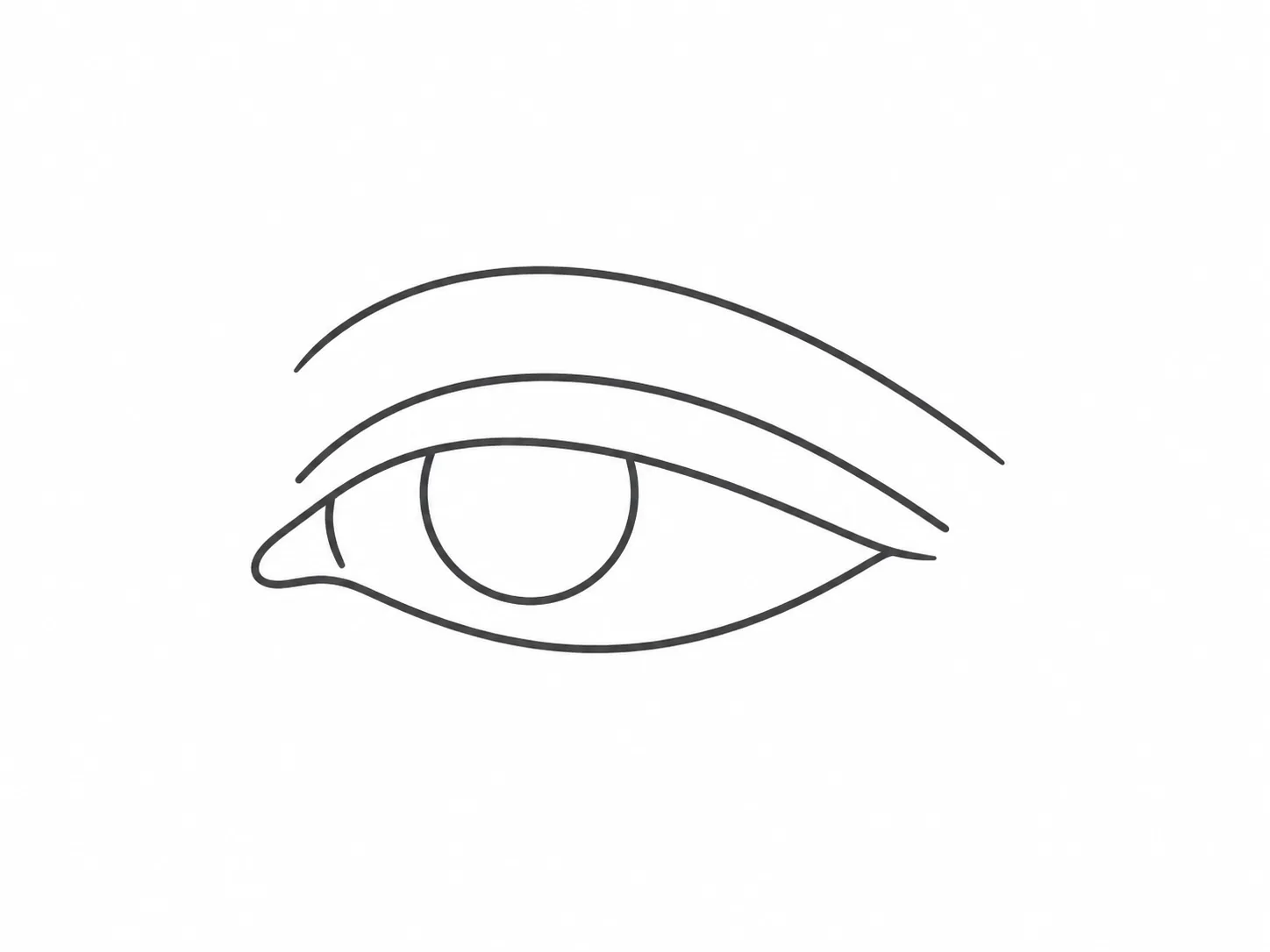
Upper blepharoplasty
For excess skin of the upper eyelid, drooping and a feeling of heaviness. The surgeon removes only the amount of skin that gets in the way and, where indicated, carefully corrects the fat pads.
An incision in the natural fold of the eyelid
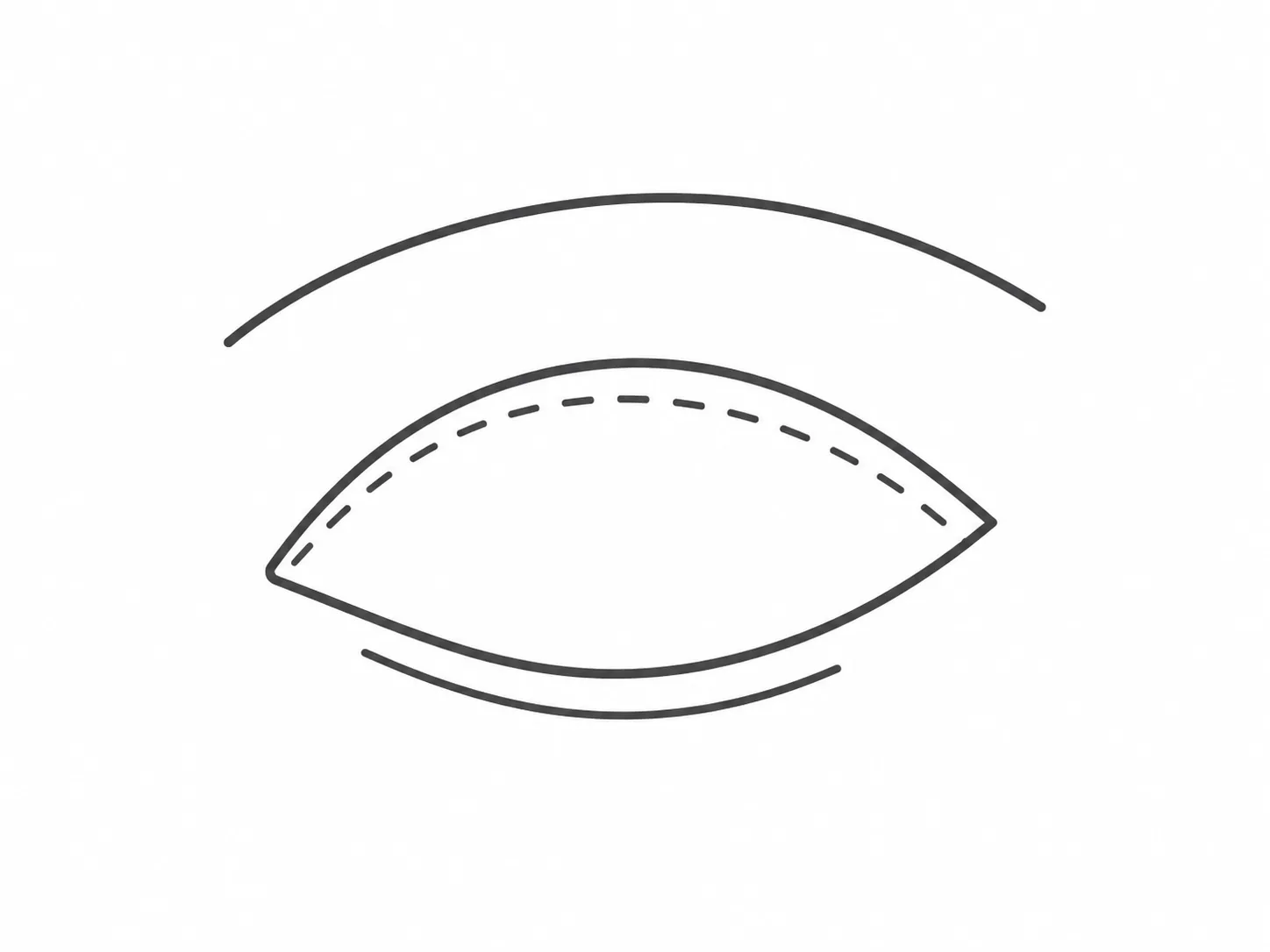
Lower blepharoplasty
For bags under the eyes, fat hernias and excess skin of the lower eyelid. The fatty tissue is not always removed - sometimes it is redistributed so that the eyelid does not look hollow.
External access or through the inner surface of the eyelid
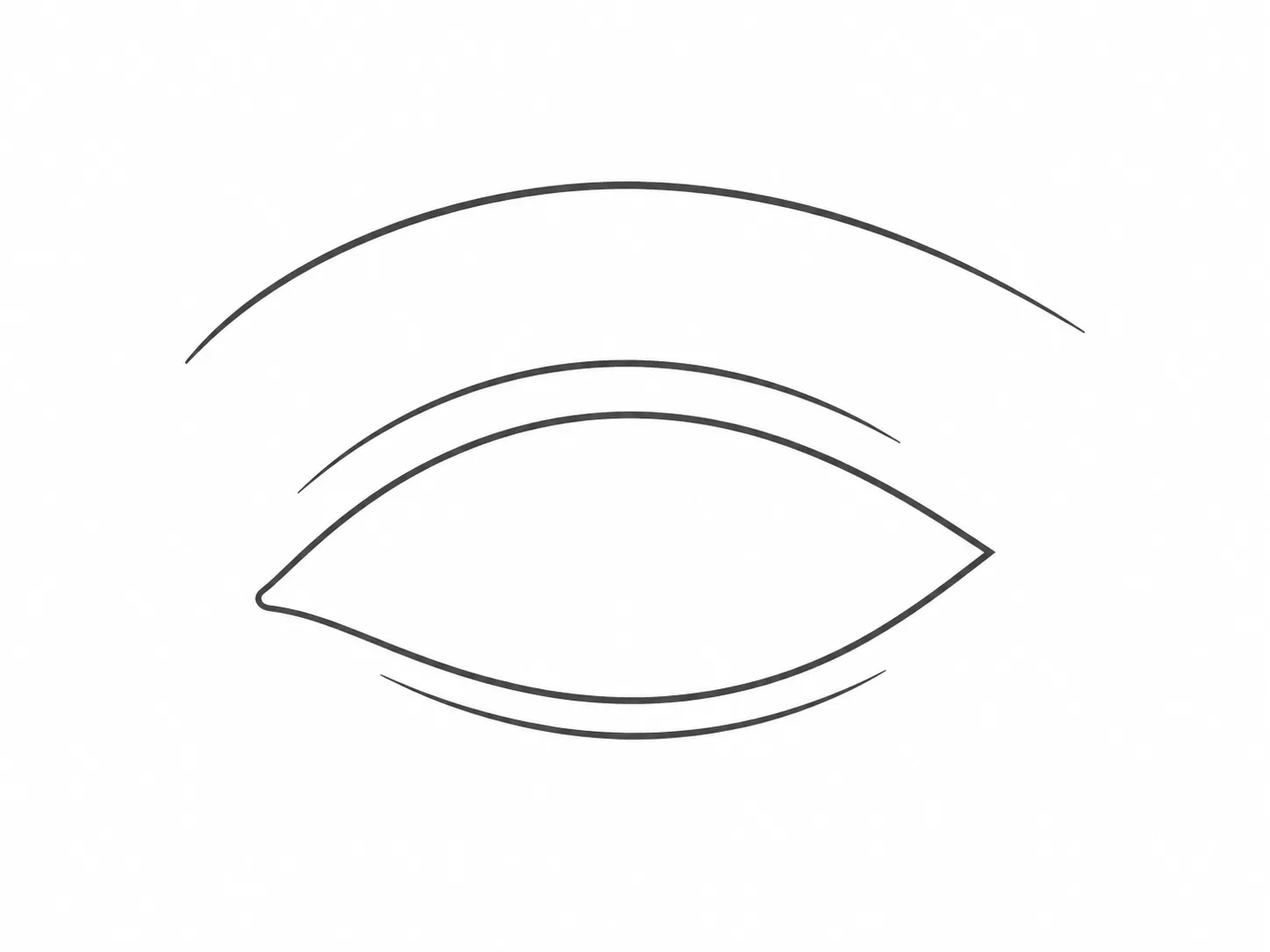
Circular blepharoplasty
The upper and lower eyelids in one operation and one recovery period. The scope of correction is still determined for each eyelid separately.
One anaesthetic, one recovery
IN DETAIL
About the procedure in detail
How the consultation goes
How the consultation goes
The surgeon finds out what is bothering the patient and examines the eyelids: the quality of the skin, the volume of the fat pads, the muscle tone, the position of the brows. Then he names the cause of the changes - it determines whether eyelid surgery will help or whether a different correction is needed.
After the examination the doctor explains which type of operation suits - upper, lower or circular eyelid surgery - where the incisions will run, how recovery goes and which restrictions will have to be followed. If there are no indications, he will say so.
The decision is made not by age but by the indications, the condition of the tissues and general health. The operation removes what is there now, but it does not stop age-related changes. Where indicated, blepharoplasty is combined with a forehead lift, brow correction, a facelift or lipofilling.
Preparing for the operation
Preparing for the operation
All operations are planned ones. Before the intervention every patient goes through an obligatory preoperative examination: laboratory tests and, where indicated, consultations with specialists and additional investigations. The list is determined by the treating doctor, taking into account the scope of the operation and the type of anaesthesia.
The doctor needs to know about chronic illnesses, allergies, the medicines you take, blood clotting disorders, eye diseases and previous operations. The operation is not performed without an examination.
How the operation goes
How the operation goes
Blepharoplasty is performed under local anaesthesia, under local anaesthesia with medicated sedation, or under general anaesthesia. The choice depends on the scope of the intervention and on the decision of the surgeon together with the anaesthesiologist.
The surgeon makes the incisions along the markings, removes or redistributes tissue, stops the bleeding and sutures the area. The operation takes place in the clinic's own operating room; with sedation and general anaesthesia the anaesthesiologist monitors the condition of the patient.
After the operation the patient stays under the observation of the medical staff for as long as the indications require. After small interventions under local anaesthesia patients are usually allowed home the same day; after more extensive ones the period of observation is set by the doctor.
Recovery
Recovery
In the first days there is swelling, bruising, a feeling of tightness and increased sensitivity of the eyelids. How pronounced this is differs from person to person. The doctor may prescribe cold compresses, sleeping with the head raised and medication.
After that the swelling and the bruising decrease and the surgeon removes the sutures. Once they are out, a thin line of scar remains, and it gradually becomes lighter.
Most of the noticeable swelling goes within one to two weeks, and slight puffiness may last longer. The final contour is visible once the swelling has gone completely and the scars have matured: that takes several months and depends on the scope of the operation, on the skin and on how quickly healing goes.
Restrictions while healing
Restrictions while healing
Washing should be careful, without rubbing or pressing on the eyelids. Decorative cosmetics and contact lenses are resumed only after the surgeon allows it. In the first days patients sleep on their back with the head raised.
Light walking is usually allowed early. Intensive training, bending over and lifting weights are temporarily restricted - they increase the swelling. The bathhouse, the sauna, hot baths and the swimming pool are temporarily excluded. The area of the operation is protected from direct sun: ultraviolet makes scars more noticeable. The surgeon names when you can return to each of these.
How much blepharoplasty costs in Astana
How much blepharoplasty costs in Astana
The final amount depends on the scope of the intervention, the technique, the type of anaesthesia and the combination with other operations. It is given after an in-person examination, before the operation.
The result is always individual and depends on the diagnosis, the preparation, the scope of treatment and the recovery.
FIND YOUR TREATMENT
Not sure what suits you?
Answer a few questions and the doctor will advise which direction suits you best.
HOW TREATMENT WORKS
How treatment works
-
01
Consultation
The doctor assesses the skin, the muscles, the fat pads and the position of the brows and says whether an operation is needed at all.
-
02
Examination
A preoperative examination is obligatory: tests and an assessment of general health, with the scope set by the doctor according to the type of anaesthesia.
-
03
Surgical plan
It is decided which eyelids to correct, where the incisions will run and which anaesthesia suits.
-
04
Surgery
Incisions along the markings, removal or redistribution of tissue, suturing; after that the patient is observed by the medical staff.
-
05
Suture removal
The sutures are non-absorbable and are usually removed on the fifth day; the exact date is set by the surgeon at the appointment, according to the condition of the tissues.
-
06
Checking the result
An appointment once the main swelling has gone down and the real contour of the eyelid becomes visible.
BENEFITS
Benefits
An open gaze
Your face stays your own
An incision in the fold
Our own operating room
THE TEAM
Specialists

BEFORE AND AFTER
Results
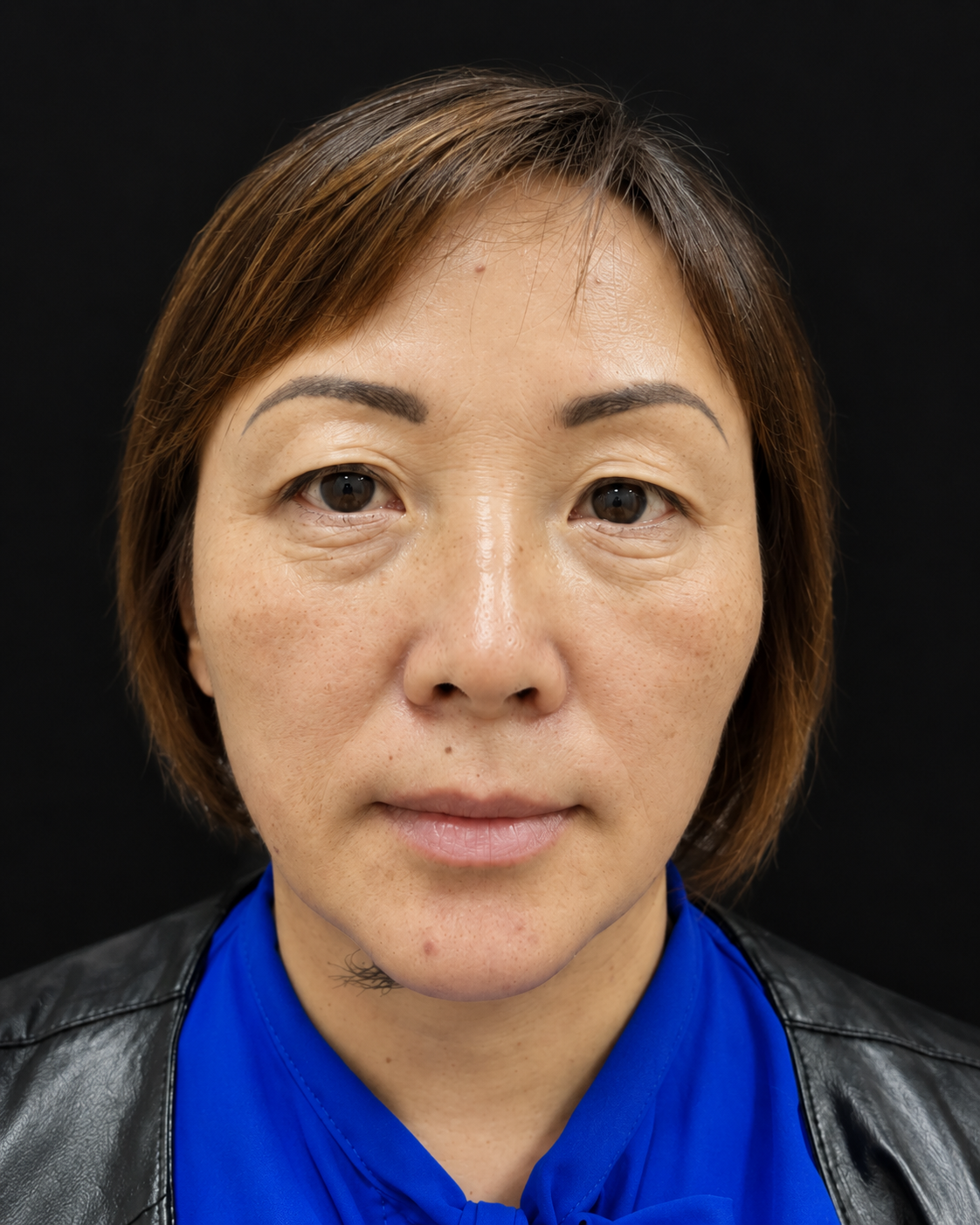
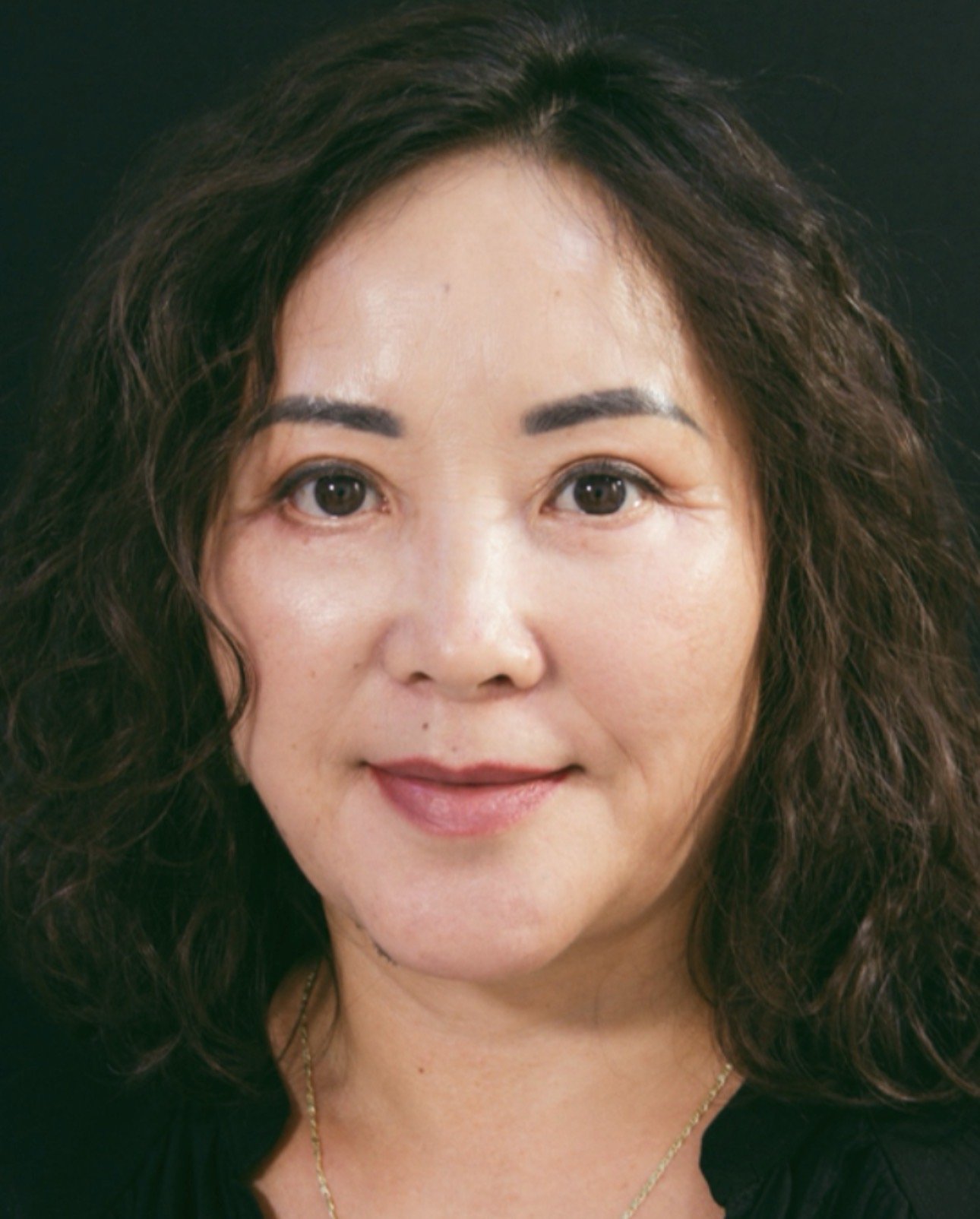
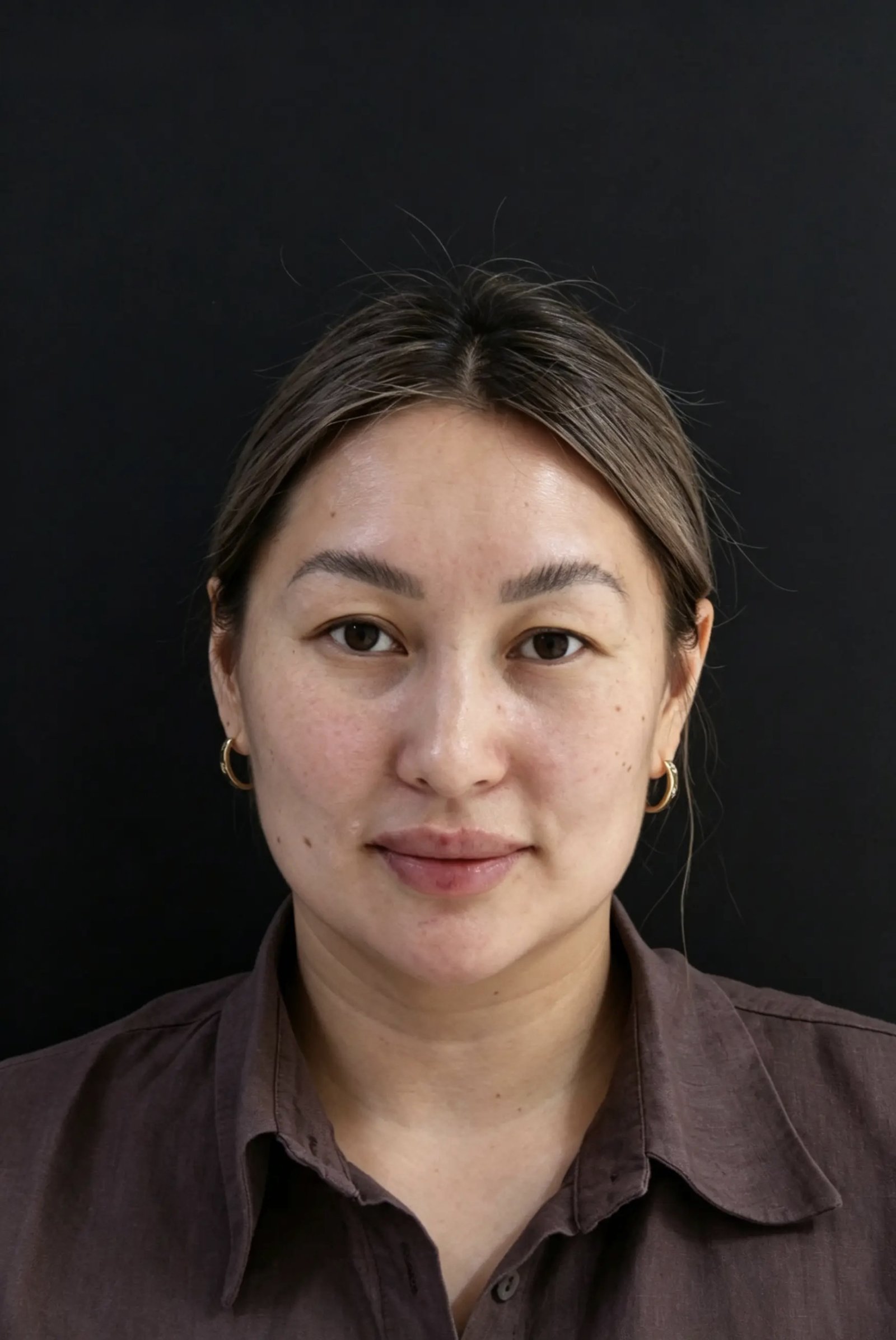
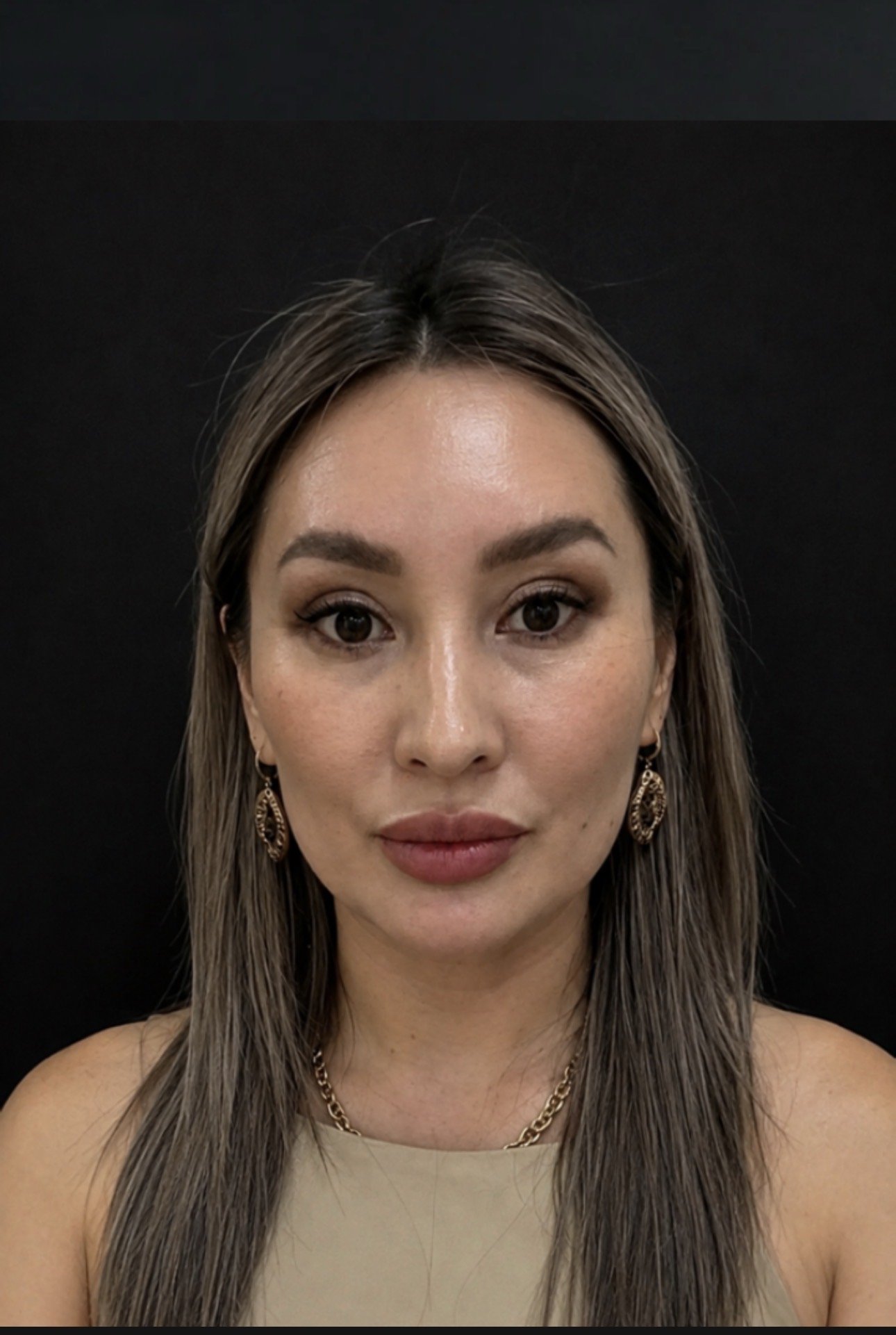
Sensitive content
The result is individual and depends on the starting condition, the extent of the surgery and following the doctor's recommendations.
REVIEWS
Patient reviews
My drooping eyelid had been bothering me for several years — my gaze looked tired even with make-up. I decided on blepharoplasty and just one week after the sutures were removed I could see the result. My eyes look open and my face appears fresher and younger. Completely natural effect with no visible signs of surgery.
After turning forty I noticed my upper eyelids drooping and my eyes looking tired even in the morning. Colleagues started asking if I was unwell. I went through diagnostics, and the surgeon explained the scope of surgery and what to realistically expect. A week and a half after the sutures were removed, my eyes looked noticeably fresher with no artificial effect.
Under-eye bags appeared early, before I turned thirty, and no make-up could hide them. At the consultation the surgeon showed photos of similar cases so I knew what to expect. The surgery and recovery went smoothly, and I followed all the aftercare recommendations. I'm glad the result still looks like me, just more rested.
QUESTIONS
Frequently asked questions
When are the stitches removed?
The sutures are non-absorbable and are usually removed on the fifth day. The surgeon gives the exact date at the follow-up appointment: it depends on the condition of the tissues and on how quickly healing goes.
When will the swelling go down?
Swelling is at its strongest in the first two or three days, and most of it goes within one to two weeks. Slight puffiness may last longer - that is not a complication.
Will any scars remain?
On the upper eyelid the incision runs in the natural fold, on the lower one under the lash line. Once healed, the scars are usually barely visible, but the timing and the quality of healing are individual, and an incision never heals completely without a trace.
Will the shape of my eyes change?
The operation should not change the shape of the eye: the surgeon's task is to remove the excess tissue and preserve the original eye shape. The result depends on the anatomy, the scope of correction and the technique.
Could my eyes end up looking hollow?
That risk is reduced by working carefully with the fatty tissue: it is not always removed, sometimes it is redistributed so that a natural volume is kept under the lower eyelid.
Can the bags be removed without an external incision?
Sometimes yes - through the inner surface of the lower eyelid. This approach does not suit everyone: it is used when there is no excess skin and only the fat pads are a problem.
When can I go back to work?
With quiet work and no physical strain many patients return after seven to ten days. If the work involves physical activity, dust, sun or strain on the eyes, it takes longer. The surgeon will give you your own timeline at the appointment.
MORE SERVICES
You may also be interested in


CONSULTATION
Book a Consultation
Free specialist advice