
Services
Post-operative care
Doctor-led support during the recovery period after surgical procedures.
from 12 000 ₸ One session - 12,000 ₸, a course of five sessions - 50,000 ₸
- MD surgeons
- 3D planning
- International standard
WHAT PATIENTS COME WITH
Common concerns
IN DETAIL
About the procedure in detail
What post-operative care includes
What post-operative care includes
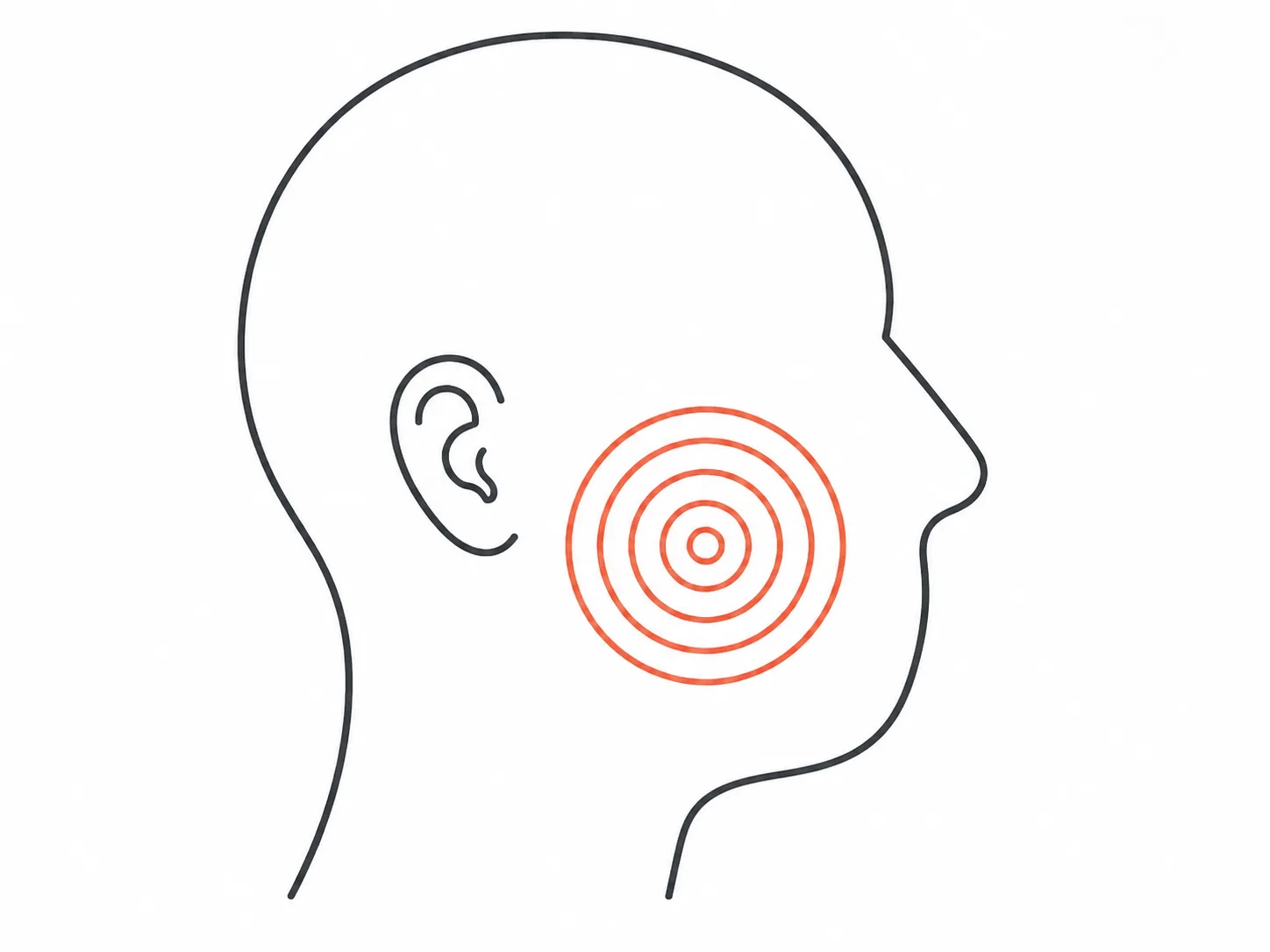
Post-operative care is first of all examinations. The doctor looks at the sutures and the soft tissues, assesses how the swelling is subsiding and explains what is happening with the healing. Procedures are added to the examinations when the doctor sees a point in them, not by default.
Healing times are set by the extent of the surgery and by the body itself, and it is impossible to speed them up radically. The purpose of post-operative care is a different one - not to miss the moment when something is going wrong, and not to leave the patient alone with their questions during the first weeks, when the face looks at its worst.
If you were operated on at another clinic
If you were operated on at another clinic
We also manage recovery after operations that were not performed here. A discharge summary or a medical report is needed: the doctor has to know what the operation was and how extensive it was. Without that information we will not manage the recovery blindly.
How the appointment goes
How the appointment goes
The doctor looks at the sutures and the tissues and determines what is needed at this stage of the recovery. If the surgery was done elsewhere, he relies on the discharge summary and clarifies the extent of the procedure. The prescribed procedures are carried out according to the doctor's plan, with an assessment of your condition before each of them.
After that the doctor sees how the picture is changing and either adjusts the plan or ends the follow-up. A course of five sessions is a price-list item, not a prescription: how many you need is something the doctor will say after the examination, and it may be fewer.
What post-operative care does not do
What post-operative care does not do
How long the swelling and the bruising take to subside is individual and depends on the extent of the surgery. Nobody knows in advance what the scar will be like: it is influenced, among other things, by the particular features of your skin. The procedures do not replace the surgeon's recommendations and do not cancel the restrictions that apply after surgery.
If the doctor sees that procedures are not needed at this point, he will not prescribe them.
The result is always individual and depends on the diagnosis, the preparation, the scope of the treatment and the recovery.
FIND YOUR TREATMENT
Not sure what suits you?
Answer a few questions and the doctor will advise which direction suits you best.
HOW TREATMENT WORKS
How treatment works
-
01
Consultation
The doctor assesses the sutures and skin and defines the rehabilitation protocol
-
02
Taking the surgery into account
The programme is coordinated with the operating surgeon
-
03
Suture care
The doctor monitors how the suture is healing and selects the appropriate care
-
04
Course of procedures
The procedures follow the schedule set by the doctor
-
05
Result review
The doctor assesses healing progress and adjusts the protocol if needed
BENEFITS
Benefits
Healing under supervision
Attention to the suture
Surgeon support

THE TEAM
Specialists

REVIEWS
Patient reviews
Recovery after my facelift worried me more than the surgery itself - I was afraid of long-lasting bruising and visible marks. The device-based course noticeably sped up the process, and the swelling went down evenly. The doctor adjusted the plan along the way whenever something wasn't progressing as fast as expected. In the end I was back at work sooner than I'd planned.
QUESTIONS
Frequently asked questions
When can I start after surgery?
Usually after the sutures are removed or on the operating surgeon's recommendation - the exact timing depends on the type of procedure.
How many sessions are needed?
It depends on the extent of the surgery and individual healing progress; the doctor defines the course at the consultation.
Is it painful?
The procedures are comfortable and require no anaesthesia.
Can I take the course if the surgery was done at another clinic?
Yes, but it is important to provide information about the operation so that the doctor can take its particulars into account.
MORE SERVICES
You may also be interested in


CONSULTATION
Book a Consultation
Free specialist advice