
Services
Complex facial and jaw surgery (maxillofacial surgery)
Removal of neoplasms, complex tooth extractions, trauma, fractures, procedures under general anaesthesia.
from 350 000 ₸ The price depends on the scope of surgery: anaesthesia and the clinic stay are charged separately
- MD surgeons
- 3D planning
- International standard
WHAT PATIENTS COME WITH
Common concerns
IN DETAIL
About the procedure in detail
What a maxillofacial surgeon treats
What a maxillofacial surgeon treats
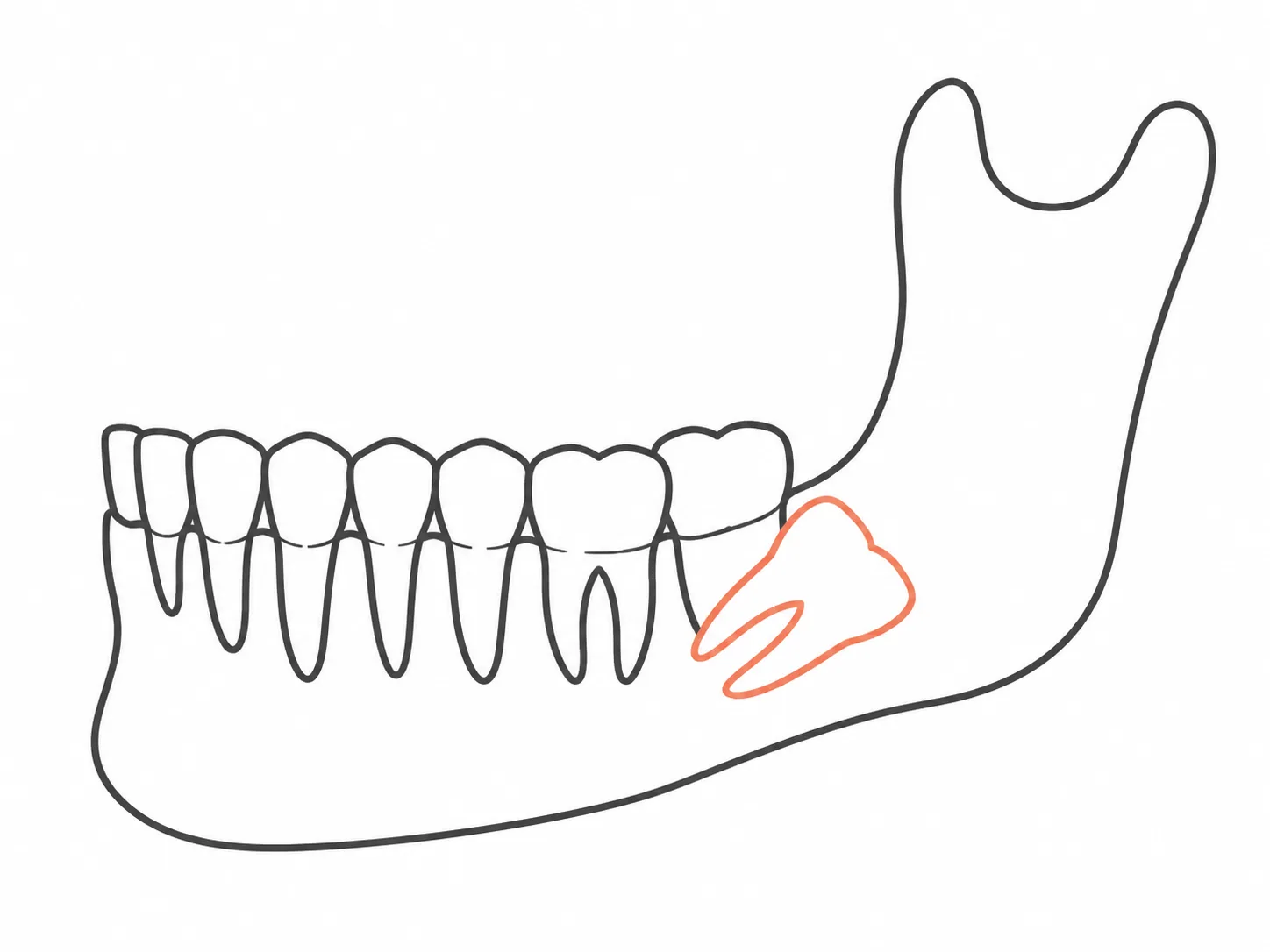
Maxillofacial surgery deals with the facial bones, the oral cavity, the sinuses and the soft tissues. It covers the cases a dental appointment does not take on: a formation in the jaw bone, a tooth lying inside the bone, the after-effects of trauma, inflammation that has to be opened in an operating room.
If the imaging or the report does not make it clear what to do next, the surgeon reviews the case and states the scope of the procedure.
How the decision to operate is made
How the decision to operate is made
The scope of the procedure is determined by the imaging, not by the complaint. The surgeon looks at the CT or CBCT scan, assesses what lies next to the nerve and the sinus and at what depth, and only then states the scope of the surgery, the type of anaesthesia and the recovery time.
If the problem can be solved without surgery, the doctor says so directly.
How the consultation goes
How the consultation goes
Bring the imaging, reports and records relating to this problem, as well as a list of the medicines you take regularly. This shortens the path to a treatment plan and sometimes removes the need for repeat diagnostics.
At the appointment the surgeon reviews the complaint, looks at the existing imaging and explains whether surgery is needed, which anaesthesia is suitable and how long the recovery will take.
How the surgery goes
How the surgery goes
All procedures are planned ones. Before the surgery the patient undergoes a mandatory preoperative examination: laboratory tests and, where indicated, computed tomography, consultations with relevant specialists and additional investigations. The list is determined by the treating doctor.
The surgery takes place in the clinic's own operating room under local or general anaesthesia - depending on the scope of the procedure and the condition of the patient. The type of anaesthesia is chosen by the surgeon and the anaesthesiologist together.
Recovery and follow-up
Recovery and follow-up
After the surgery the patient remains under the supervision of medical staff for as long as is medically required. After small procedures under local anaesthesia patients are usually discharged home the same day; after more extensive surgery under general anaesthesia the observation may take a day or longer - the doctor decides the timing.
After discharge the patient receives detailed recommendations and attends follow-up appointments. If tissue was removed during the surgery, it is sent for histological examination, and the doctor goes through the result together with the patient.
The result is always individual and depends on the diagnosis, the preparation, the scope of treatment and the recovery.
FIND YOUR TREATMENT
Not sure what suits you?
Answer a few questions and the doctor will advise which direction suits you best.
HOW TREATMENT WORKS
How treatment works
-
01
Consultation
The doctor reviews the complaint, any existing imaging, and determines the scope of the procedure
-
02
Diagnostics
CT/CBCT and other examinations clarify the diagnosis and the extent of surgery
-
03
Treatment plan
The doctor explains what will be done, the anaesthesia needed and the recovery process
-
04
Preparation
If necessary, the patient has tests done and sees the anaesthesiologist
-
05
Surgery
The procedure is performed in an equipped operating room with anaesthesia support
-
06
Recovery and follow-up
The doctor monitors healing and gives care recommendations
BENEFITS
Benefits
Surgeon and anaesthesiologist work together
A full cycle in one clinic
An individual plan
A licensed operating room
Follow-up after surgery



REVIEWS
Patient reviews
Noticeable facial asymmetry had bothered me since my teenage years. I put it off many times. The clinic carried out a detailed diagnostic, explained the cause, and offered a clear plan. The surgery went without complications and results were visible in the first few weeks. My only regret is not coming sooner.
After an injury to my jaw I put off seeing a doctor for a long time, worried about the consequences. The clinic carried out a full diagnostic and explained the surgical plan in detail. The doctor and anaesthesiologist stayed in touch throughout and explained what to expect at every stage. Recovery went smoothly and jaw function returned to normal.
A growth in my mouth was found during a routine dental check-up, and I was referred for a consultation. The clinic scheduled diagnostics right away and explained that removal was best done under operating-room conditions. Everything went quickly, the tissue was sent for histology, and the result was reassuring. I appreciated that the doctor didn't delay and offered a clear plan straight away.
QUESTIONS
Frequently asked questions
What procedures fall under maxillofacial surgery?
This is a broad field: removal of neoplasms, complex tooth extractions, treatment of jaw trauma and fractures, and other facial and oral procedures. The exact scope is defined at the consultation.
Is general anaesthesia always required?
Not always. The type of anaesthesia is chosen individually based on the scope and complexity of the procedure.
How do I know I need this specific procedure?
This is determined at the consultation and from diagnostic data - the doctor will explain the cause of the problem and the possible treatment options.
How long does recovery take?
It depends on the extent of the surgery. The doctor gives an approximate timeline at the consultation and confirms it after the procedure.
What should I bring to the consultation?
If you have imaging, test results or reports from other doctors about this problem, bring them with you - it speeds up the diagnosis.
MORE SERVICES
You may also be interested in


CONSULTATION
Book a Consultation
Free specialist advice